


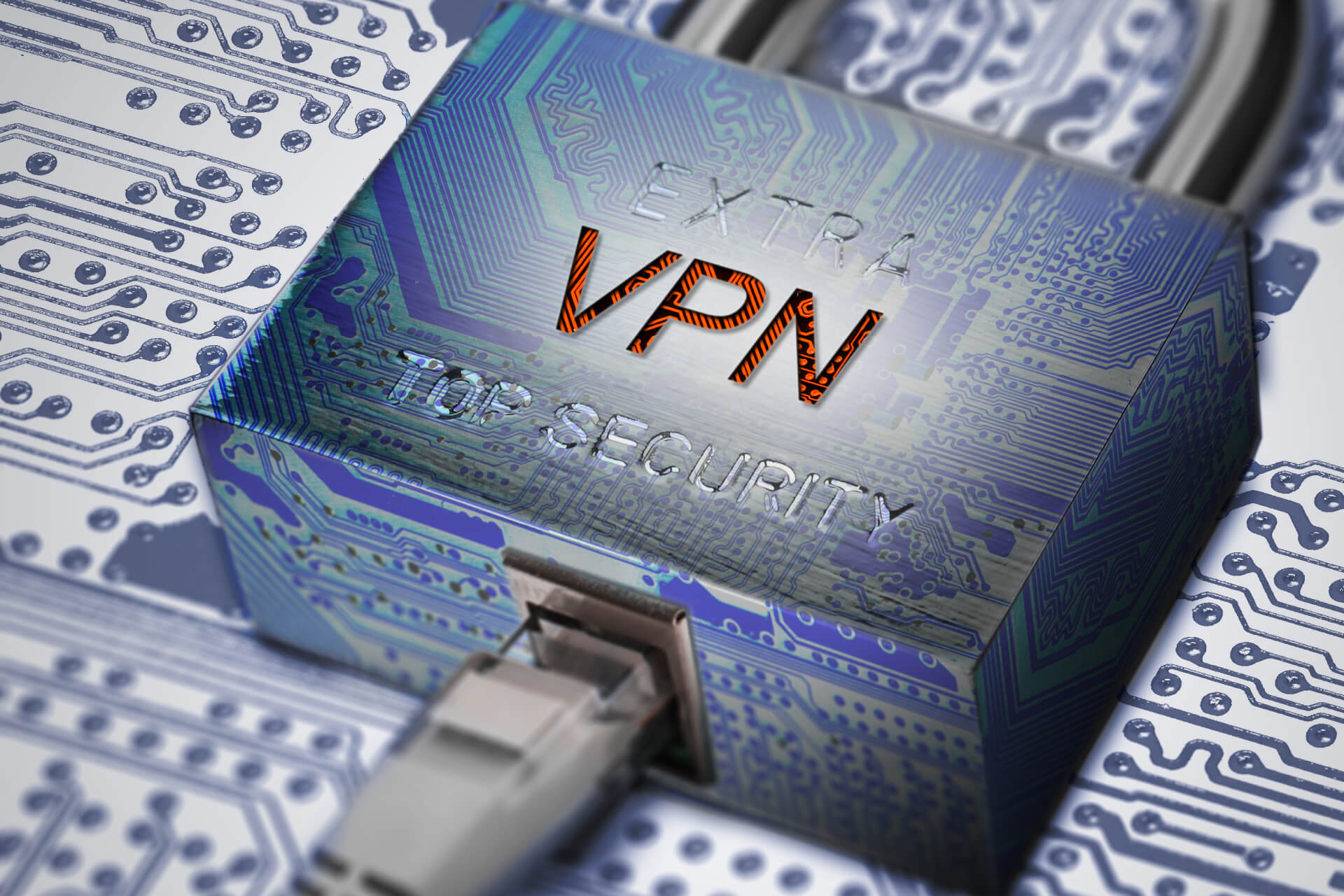
Public Wi-Fi networks are convenient but notoriously insecure; if you connect to open networks at airports, cafes, hotels, or shopping centers your personal information could be made available to cybercriminals. Here’s how a VPN (Virtual Private Network) can protect your data when using public Wi-Fi:
**The encryption of internet traffic**
A VPN encrypts all the data you send and all you receive, converting it into code that cannot be read. Even if hackers manage to intercept your traffic, they will not be able to work out your personal information, your login details, or your financial transactions.
**2. Protecting Your IP Address**
VPNs replace your actual IP address with one from their own network, which makes it more difficult for attackers or malicious users who are on the same Wi-Fi to track your online activities or work out which device you are using.
**3. Preventing Man-in-the-Middle Attacks**
Without using a VPN, attackers will be able to intercept the communication between your device and websites and may thus steal sensitive data. A VPN sets up a secure tunnel which prevents these man-in-the-middle attacks.
**4. Securing Sensitive Transactions**
It is risky to shop online or to access your bank account through public Wi-Fi, and a VPN helps to protect those sensitive activities from eavesdropping and unauthorized access.
**5. Protection from unsecured networks**
Most public Wi-Fi networks do not have appropriate security settings, and using a VPN provides a strong additional layer of protection so that you can browse, stream or work without worry.
**Conclusion**
Using a VPN when connected to public Wi-Fi turns an insecure connection into a secure one since the VPN encrypts your data and masks your identity, thus keeping your information safe from cyber threats whenever you are on public networks.